You land in Marrakech, you walk past customs, and you have a choice to make in the next twenty minutes: queue at a rental counter and lose ninety minutes of your trip, take a 200 MAD airport taxi to the medina and figure out transport later, or meet a local driver who hands you the keys and a paper map at arrivals.
This guide is the unglamorous version of the third option — what the paperwork actually looks like, which car works for which trip, and the local pitfalls a first-time visitor genuinely needs to know.
Why most tourists end up renting a car anyway
Marrakech itself is walkable. The medina is a no-vehicle zone, and the modern districts (Guéliz, Hivernage, Mhamid) are five-minute taxis away from each other. So if you are spending all four days inside the city walls, a rental is overkill.
The reason rentals win the moment you stay longer than three days is the surrounding region. From Marrakech you have:
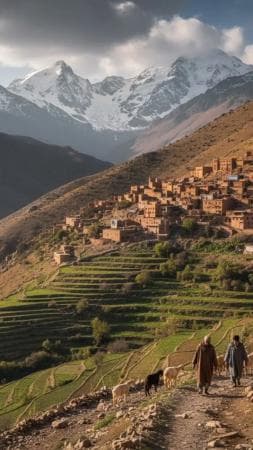
- Atlas Mountains: Imlil, Ourika valley, Toubkal trailhead — 60–80 km, 1.5–2 hours each way on switchbacks.
- Essaouira: 190 km west on the new highway — 2.5 hours door to door.
- Ouzoud waterfalls: 150 km north — 2.5 hours, last 20 km on a winding mountain road.
- Aït Ben Haddou and Ouarzazate: 200 km over the Tichka pass — full-day or overnight trip.
Booking a chartered taxi or driver-guide for any of these costs 700–1,500 MAD per round trip. Two of those and you have already covered a week of car rental.
What "airport pickup" actually means at RAK
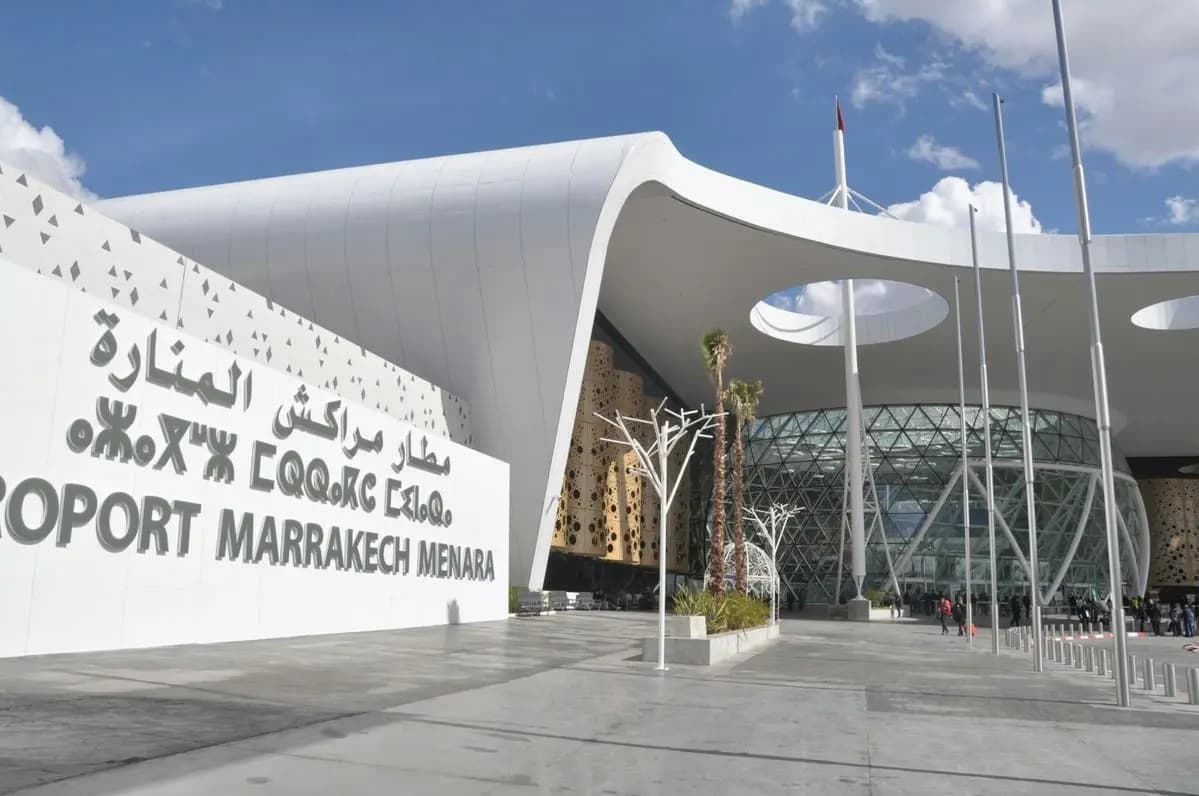
Marrakech Menara (IATA: RAK) is a single-terminal airport about six kilometres south-west of the medina. Two pickup patterns coexist there:
- International rental chains (Hertz, Sixt, Europcar, Avis) operate counters in the airport parking lot, on your right as you step out of the arrivals hall. You queue, you sign, you walk to a numbered bay.
- Local agencies like ours operate by meet-and-greet: a driver waits in the arrivals hall with a YMKabila sign and your name, walks you to the car parked in the public lot, hands you the keys, and the paperwork is done car-side. No counter queue, no off-airport shuttle.
For a 14:00 landing at peak season, you can be on the road by 14:35 with a meet-and-greet, versus 15:30+ for the counter route.
The exact paperwork you need
Bring originals — photocopies are not accepted by Moroccan rental contracts:
- Passport (or CIN if you are a Moroccan resident).
- Driving licence held for at least 12 months. EU, UK, US, Canadian and Australian licences are accepted as-is. An International Driving Permit is recommended but not legally required for stays under three months.
- A credit card in the main driver's name with a usable limit of at least the deposit amount. Debit cards and prepaid cards are usually refused for the deposit, even if the rental fee can be paid with them.
If you plan to add a second driver, bring their licence and passport too — adding them on-site avoids insurance gaps if they take the wheel later.
Which car for which Moroccan trip
The four categories that cover 95% of tourist needs:
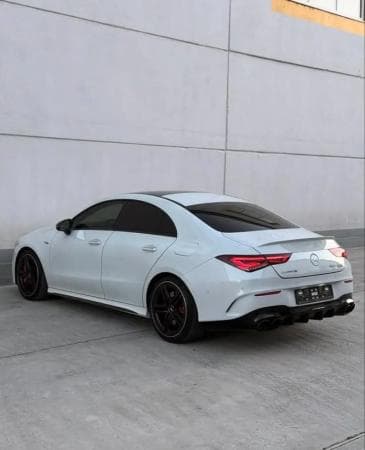
- Economy (Dacia Sandero, Hyundai i10): the Marrakech default. Compact enough to handle Guéliz parking, fuel-efficient on the Casa-Marrakech motorway, perfect for couples.
- Sedan (Renault Symbol, Hyundai Accent): a step up in comfort for highway days. Same fuel cost, better seats, larger trunk for luggage.
- SUV (Dacia Duster, Hyundai Tucson): the right call for Atlas mountains, Ouzoud and Aït Ben Haddou. Higher ground clearance for the dirt-shoulder villages and better visibility on switchbacks.
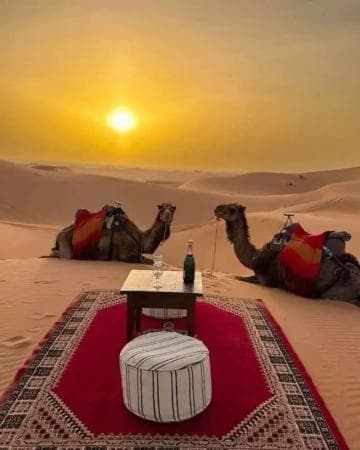
- 4×4 (Toyota Hilux, Mitsubishi L200, Ford Ranger): only necessary if you intend to drive into the dunes around Merzouga or off-tarmac in the Anti-Atlas. For a smooth desert visit through Ouarzazate or Zagora, an SUV is enough.
Insurance-wise, every contract in Morocco includes mandatory third-party coverage. Premium insurance (around 80 MAD/day) reduces your deductible to zero and adds glass, tyres, and theft cover — for a first visit on unfamiliar roads we recommend taking it.
Local pitfalls a first-time visitor should know about
Most issues are minor but they are exactly the kind of thing that ends up in TripAdvisor reviews:
- Fuel level at pickup vs return. Always photograph the dashboard fuel gauge at pickup, and write the exact level on the contract. The legitimate Moroccan custom is "return at the same level"; getting "Full to Full" enforced is fine too. What is not fine is a vague "we will see" — that is how a 200 MAD refuel becomes a 600 MAD invoice.
- Pre-existing scratches. Walk around the car with the agent and either photograph everything or get every dent ticked on the contract sheet. This protects both parties.
- "Free" tolls and parking. Toll roads in Morocco are paid in cash at the booth — keep small notes. Parking inside Marrakech often involves a guardian who expects 5–10 MAD; that is local custom, not a scam.
- Returning the car at night. If your flight is at 03:00, do not assume the agency is staffed. Confirm 24/7 return procedure in writing and pay attention to the drop-box / GPS-tracking instruction.
What it actually costs
For a guideline week in shoulder season (April or October), here is a realistic budget in MAD:
- Economy car, 7 days, basic insurance: 1,750 MAD
- Premium insurance upgrade: +560 MAD (80 MAD × 7)
- Fuel for ~800 km mixed driving: ~600 MAD
- Tichka pass tolls + parking guardians: ~150 MAD
- Estimated all-in: 3,000–3,200 MAD for a week
An SUV adds roughly 1,400 MAD over the week and 25–30% on fuel.
Booking with us
YMKabila is a Moroccan-owned agency based in Marrakech-Mhamid, rated 4.9/5 on Google. We meet you at arrivals, the contract is bilingual French/English, all our cars are under three years old, and we answer WhatsApp directly — not via a chatbot. See available vehicles or message us on WhatsApp with your dates.